


Craniosacral therapy (CST) is a holistic, hands-on treatment developed by osteopaths to treat a variety of emotional and physical difficulties. Cranial osteopaths believed that the human body is capable of healing itself, and that craniosacral therapists can facilitate that process by addressing restrictions or imbalances that may be causing functional disruptions in the body (Haller et al., 2019; Upledger et al., 2008). It’s a collaborative, intuitive, and respectful way to allow the body to soften and reorganise at its own pace, in its own time. The work is not force-based and does not require the client to believe in any specific philosophy; it simply invites their central nervous system to relax, release, and reset to improve its efficiency and performance.
The gentle, non-invasive nature of the therapy makes it a good option for those seeking complementary approaches to manage a variety of ailments, including pain, nervous system dysregulation, stress, and trauma recovery. Though not a replacement for medical treatment or a psychotherapist, CST can complement these treatments and improve symptom severity and support overall well-being (Haller et al., 2019), especially in individuals with chronic medical conditions such as CFS/ME, fibromyalgia, or chronic pain that currently lack adequate medical interventions.
How does it work?
Craniosacral uses a lighter touch than other traditional manual therapies; practitioners gently manipulate structures within the central nervous system as well as fascia to reduce tension, support tissue mobility, and calm the nervous system (Upledger et al., 2008). Energetically, it offers space for deeper layers of stress, trauma and emotional blockages to unwind and release naturally when they are ready to do so. Practitioners do not force their own agenda onto the client’s system. Instead, they take guidance from the subtle movements within their body tissues to lead the treatment.
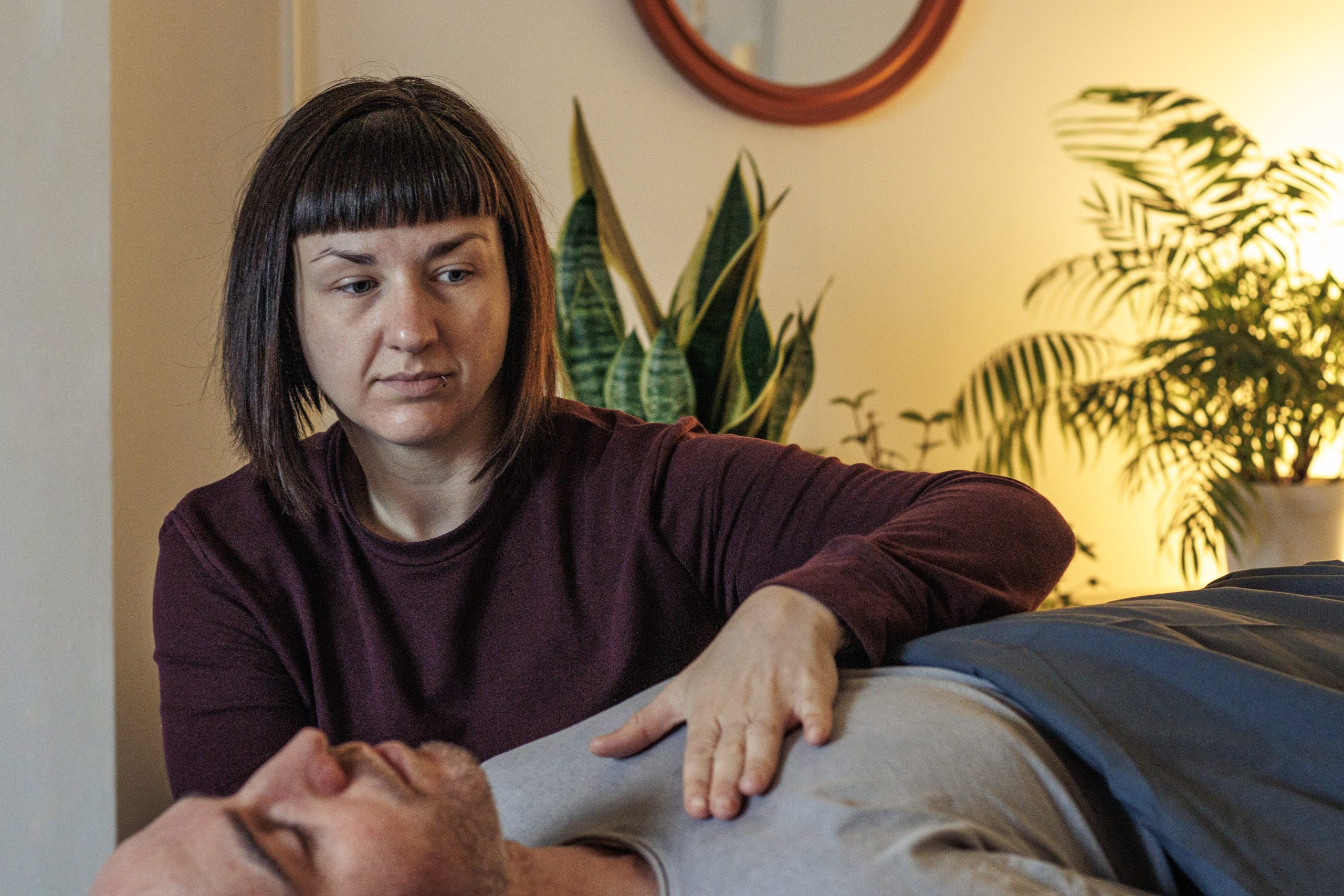
What to Expect
Clients remain fully clothed during treatment and lie face up on the massage table. The massage therapist gently places their hands on the client to help facilitate the release process. This may elicit sensations in the body, inluding twitching, stomach gurgling, blinking, rapid eye movements, and sighing. Some people fall asleep during treatment. Occasionally, people experience a somatoemotional release, a type of energetic release that brings about a strong emotional response such as laughter or tears. After their treatment, clients report feeling a deep sense of relaxation, calmness, as well as relief from various symptoms such as migraines, digestive discomfort, insomnia, fatigue, and sensory sensitivity.
References
Haller, H., Lauche, R., Sundberg, T., Dobos, G., & Cramer, H. (2019). Craniosacral therapy for chronic pain: a systematic review and meta-analysis of randomized controlled trials. BMC Musculoskeletal Disorders, 21(1). https://doi.org/10.1186/s12891-019-3017-y
Upledger, J. E., Grossinger, R., Ash, D., & Cohen, D. (2008). CranioSacral Therapy: What it is, How it Works. North Atlantic Books.